- School Board
- Superintendent
- Connect
- Careers
- LanguageSelect


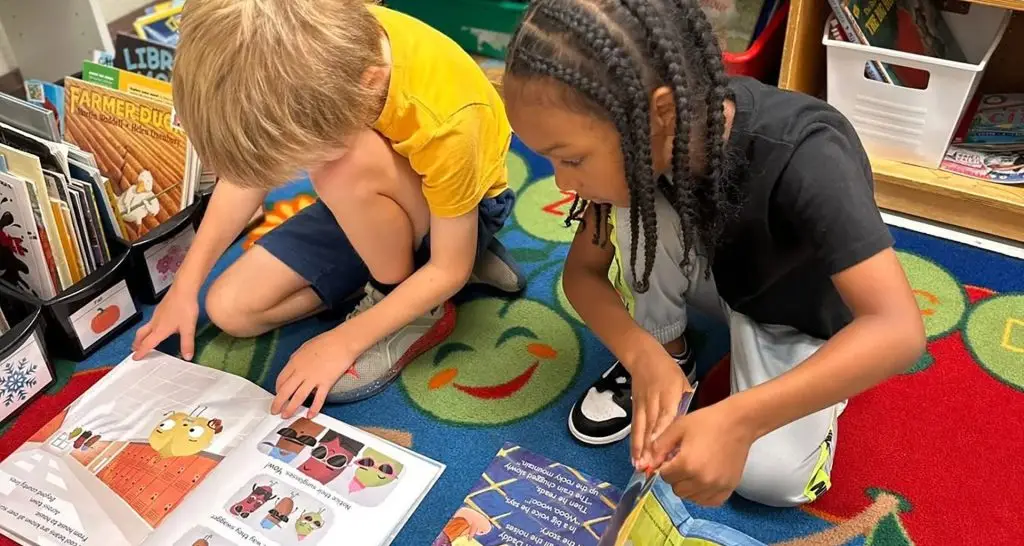
So many exciting firsts are part of starting school — riding the school bus, going through the cafeteria line, checking out a library book, playing on the playground with classmates. Are you and your child ready for the big day? Whether anticipating or anxious, resources are provided here to help get little ones prepared for kindergarten including:
Families may begin the registration process online. Once the preregistration process is complete, the parent/guardian will receive an email notification that the application has been received. The school will then reach out to schedule a time to visit the school and complete the final steps of the registration process.
Children learn best through play, relationships, and daily moments that spark curiosity. Kindergarten readiness grows from talking, reading, moving, wondering, and problem-solving together — the kinds of things families naturally do every day. The Basics (thebasics.org) reminds us that simple interactions like talking, singing, counting, playing, and reading together make a big difference for young children’s learning and confidence.
Everyday moments like mealtime chats, playtime adventures, storytime snuggles, and family routines all build skills for a strong start. This page shares easy, everyday ideas to support kindergarten readiness at home. Early literacy and math, STEAM, social-emotional, and motor skills can all be woven into the joyful
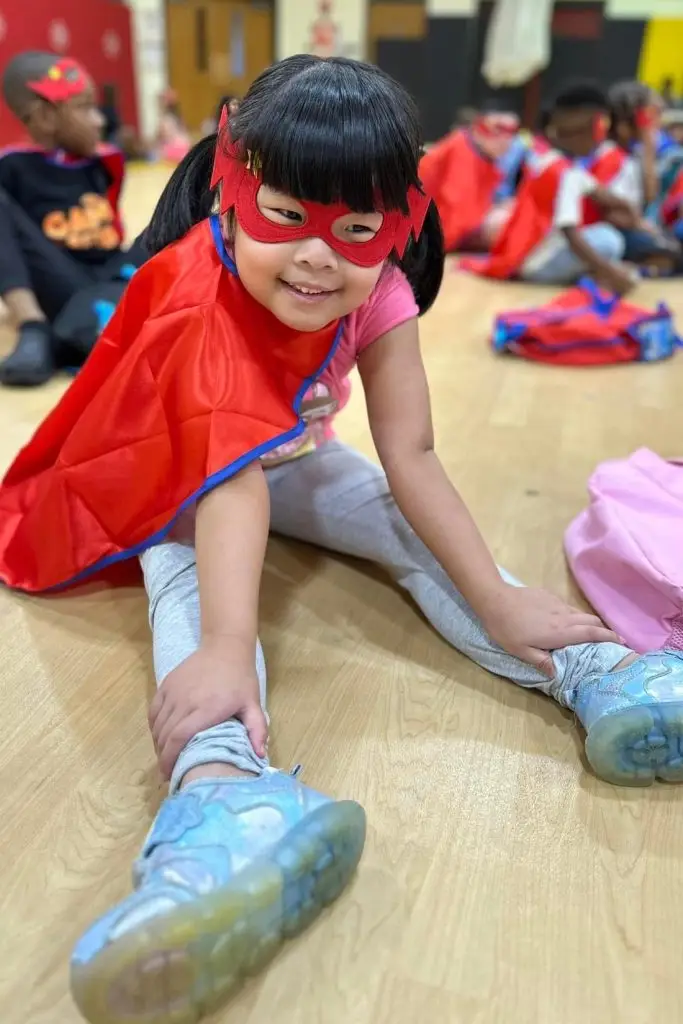
The foundation for learning, friendships, and confidence in kindergarten. Before children can focus on letters, numbers, or lessons, they need to feel safe, understood, in control, and ready to learn. Social-emotional skills help set the tone for everything that happens in the classroom.
What are social-emotional skills?
Social-emotional skills include how children:
Why are social-emotional skills so important?
Strong social-emotional skills help children feel comfortable at school and ready to learn. When children can manage their emotions, communicate their needs, and work well with others, they are better able to:
Academic skills matter, but social-emotional skills set the stage. Children who feel confident, supported, and emotionally ready are more likely to succeed in school—both now and in the years ahead.
How parents and caregivers can help:
Remember:
Big feelings are part of learning. Every conversation, playdate, and challenging moment is an opportunity to build skills that help children thrive in kindergarten and beyond.
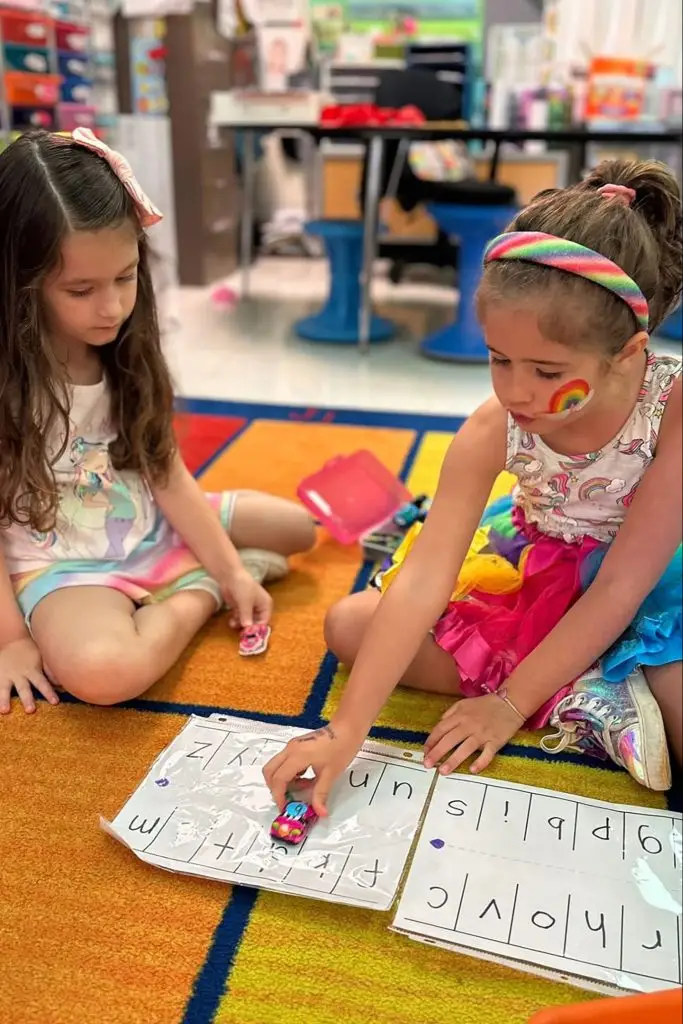
Skills That Help Kids Get Ready to Read
Before children learn to read words, they build important pre-reading skills through everyday play, talking, and exploring. These skills help children feel confident and ready when they start kindergarten:
Children do not need to be able to read before kindergarten. These skills are the perfect place to begin!
How Families Can Support Early Literacy at Home
You do not need special training or expensive materials. The most meaningful learning happens during everyday moments. Simple ways families can support early literacy include:
Little moments add up, and your time and attention make a big difference!
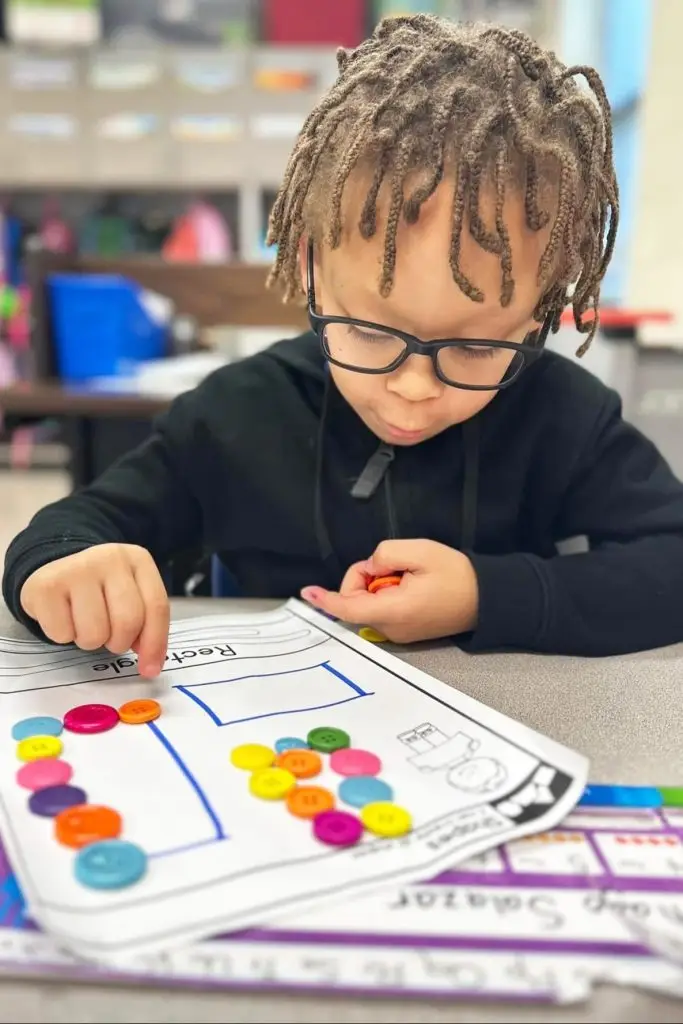
Early math skills start developing long before children begin formal math lessons. Through play, conversations, and everyday routines, young children naturally begin to understand numbers, shapes, and how things work together. These early experiences help build confidence and curiosity about math. Positive early math experiences also help children see math as something useful and enjoyable.
What Early Math Looks Like
Preschoolers learn math in simple, natural ways. Skills that are helpful for kindergarten include:
Children do not need to be math experts — being familiar with these ideas helps them feel ready to learn.
How Families Can Help at Home
You don’t need special tools or lessons. Math happens naturally during everyday moments:
Small moments add up, and everyday play helps build strong math skills.
What is STEAM learning?
STEAM stands for Science, Technology, Engineering, Art, and Math—but for young children, it’s really about curiosity, creativity, and problem-solving through play. STEAM learning happens when children explore, ask questions, build, create, test ideas, and try again.
Think: “What happens if…?” and “Let’s try it another way.”
Why is STEAM learning important?
STEAM experiences help children:
Best of all, STEAM learning helps children see themselves as capable thinkers and creators—long before they ever step into a science lab or classroom.
How can families encourage STEAM learning at home?
The great news? You don’t need fancy materials or special lessons. STEAM learning happens naturally through everyday play and exploration.
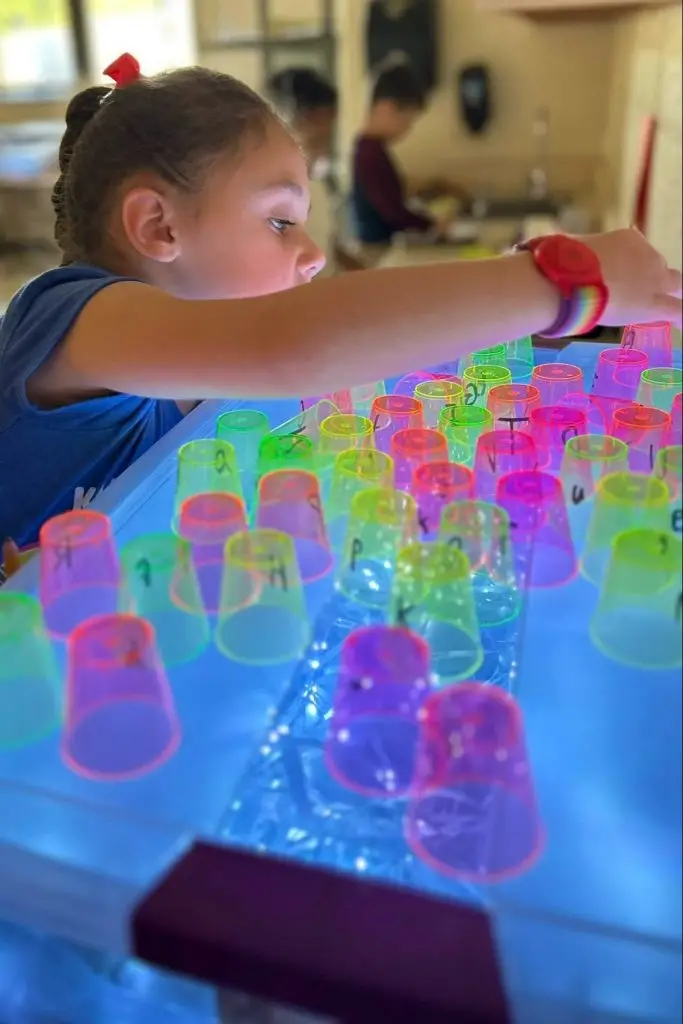
Here are easy, playful ways to support STEAM at home:
(Block play, construction play, engineering play)
Try asking: “How can we make it stronger?” or “What happens if we add one more block?”
(Nature play, sensory play, exploration)
Try asking: “What do you notice?” or “How are these the same or different?”
(Shadow play, sensory science)
Try asking: “What happens when we move closer?” or “How can we change the sound?”
(Art, creativity, design thinking)
Try saying: “Tell me about what you made.”
(Engineering thinking, trial and error)
Remember:
STEAM learning doesn’t require worksheets or screens; it thrives in play, conversation, curiosity, and everyday moments. When children explore freely and feel supported, they build the skills they need for kindergarten and for life.
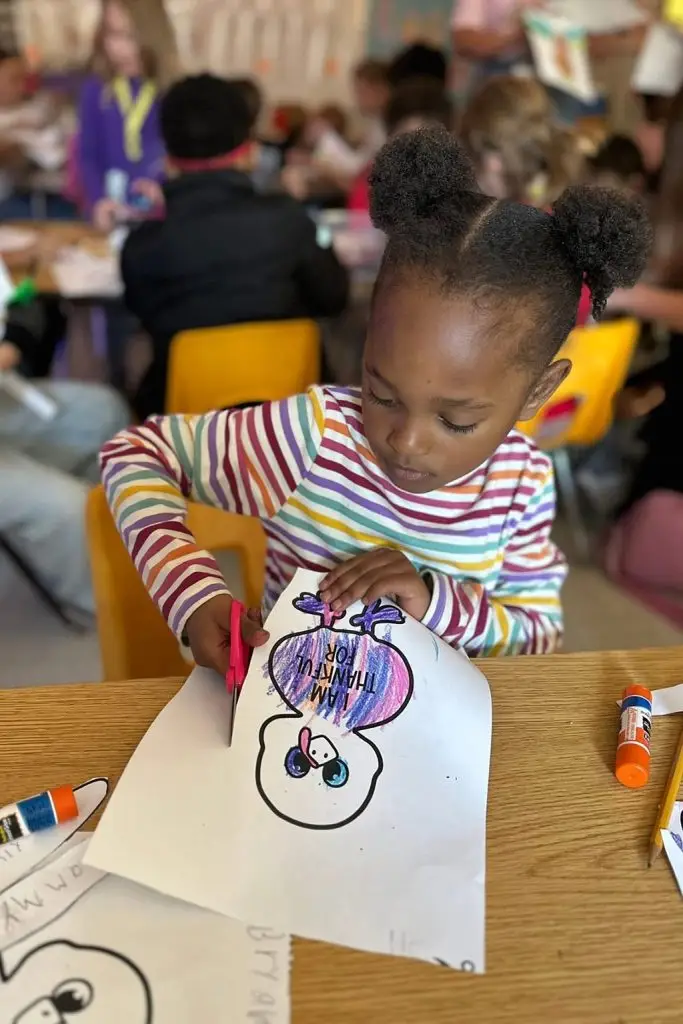
Big moves, little moves, and everything in between! From running and jumping to cutting and coloring, movement plays a big role in helping children feel confident, capable, and ready for kindergarten.
Big moves, little moves, and everything in between! From running and jumping to cutting and coloring, movement plays a big role in helping children feel confident, capable, and ready for kindergarten.
Fine Motor Skills (Little Moves)
What are they? Fine motor skills are the small movements children make with their hands and fingers—like holding a crayon, using scissors, zipping a jacket, or turning pages in a book.
Why are they important?
Strong fine motor skills help children with everyday school tasks, such as writing their name, drawing, using classroom tools, and taking care of themselves.
How families can help:
Gross Motor Skills (Big Moves)
What are they?
Gross motor skills use the large muscles of the body for big movements like running, climbing, balancing, throwing, and jumping.
Why are they important?
These skills build strength, balance, coordination, and confidence—plus they help children sit, focus, and participate in classroom activities.
How families can help:
Remember:
Movement doesn’t need to be fancy or planned. Play counts. Outdoor time counts. Dancing in the living room absolutely counts. When children move their bodies, they’re building skills for school—and for life.