- School Board
- Superintendent
- Connect
- Careers
- LanguageSelect

Schools seek to create welcoming, nurturing environments for successful teaching and learning. This includes demonstrating how to build and be part of a community.
In every Chesterfield school, Promote Respect (bullying prevention) and Sources of Strength (wellness and prevention) help students learn about themselves, build healthy relationships and make good decisions. This supportive approach to mental health focuses on partnering with students, families, educators and community resources to maximize student safety and adjustment.
However, research suggests that at least one in five students will need additional mental health support. Chesterfield County Public Schools can provide that help; here’s what families need to know:
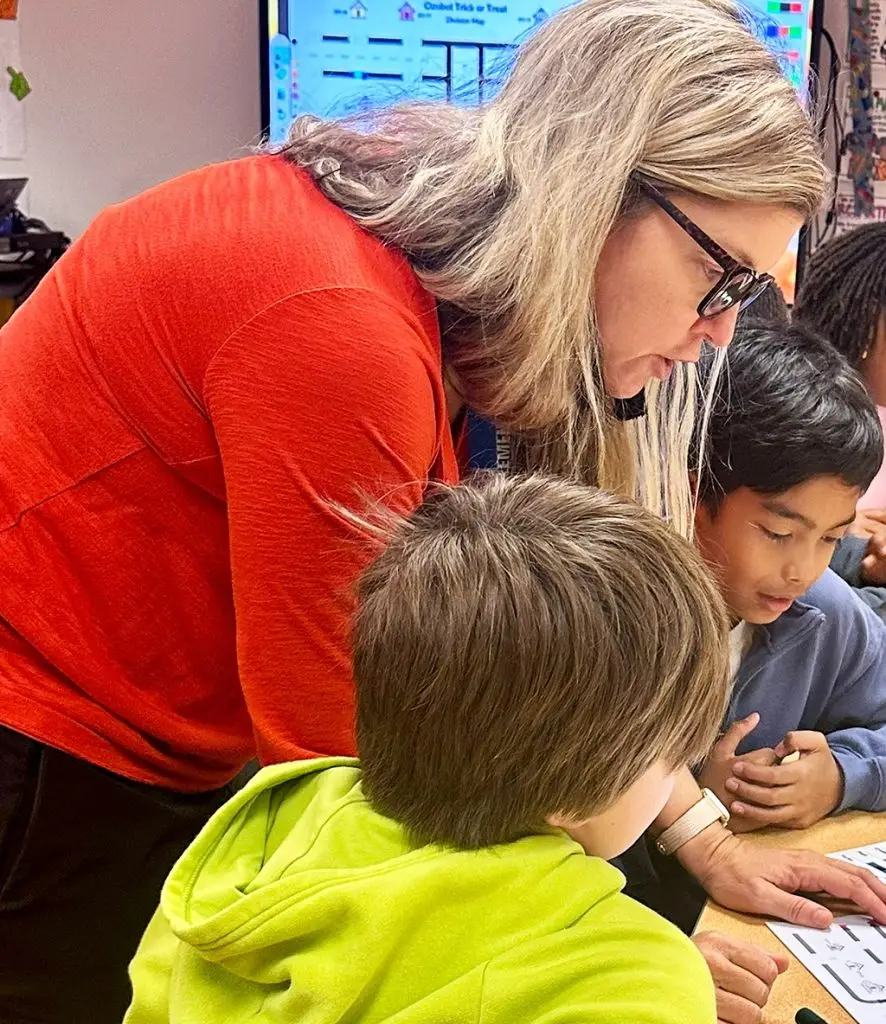
The mental health team of Chesterfield County Public Schools includes about 35 school psychologists, nine educational diagnosticians, 35 social workers, 237 school counselors, three mental health support specialists, two mental health interventionists and central office staff who supervise their work.
Nurses are also members of the team, and Chesterfield County Public Schools has about 67 school nurses.
Using evidence-based assessment and therapeutic practices, the mental health team intervenes early and provides tailored support to match the unique needs of students.
Chesterfield County Public Schools also connects with public and private mental health and counseling service providers to provide parents and families with resources. This link provides a list of community counseling agencies and this video offers helpful introductions to several providers.
The past few years have taken a toll on children’s emotional and social well-being. To support students and families, Chesterfield County Public Schools now offers a connection to mental health telehealth services for students in grades 6-12. These free, virtual sessions by Hazel Health can help students manage stress, anxiety or sadness. Just as regular checkups help with physical health, these sessions support mental well-being so students can thrive.
Hazel Health virtually connects students with experienced therapists (such as licensed clinical social workers, licensed professional counselors, licensed mental health counselors, licensed marriage and family therapists and associate therapists). The therapist will offer one-on-one counseling via a computer, tablet or smart device. Students can use their school-issued Chromebook. A cellphone can also be used.
The program can help students with anxiety, depression, fears, stress, grief, social skills, mood or behavior changes, bullying and more. This resource does not replace emergency services.
Almost half of Hazel Health therapists are bilingual, speaking more than 30 languages including English, Spanish, French, Vietnamese, Korean, Tagalog and American Sign Language.
Parents or guardians must opt in for this resource before students can connect with Hazel Health. Students cannot opt themselves in. School employees cannot schedule appointments for students.
These are the steps you will take to get telehealth support for your child:
When a parent or guardian completes the opt-in form in ParentVUE, Chesterfield County Public Schools will share this information with Hazel Health in order to show that the student is enrolled:
The first telehealth appointment is an initial assessment so the therapist can identify the student’s mental health needs. On average, students improve in six therapy sessions. If the therapist sees a need for longer term care, then Hazel Health will provide recommendations based on the family’s preferences and ability to pay.
Telehealth appointments are available between 3 p.m. and 7 p.m. Monday through Friday. Sessions cannot take place at school.
The student is usually at home during the sessions. Hazel Health requires a parent, guardian or trusted adult to be on site during telehealth appointments. Telehealth appointments cannot take place at school.
Hazel Health sessions do not take the place of emergency services. Call 911 if a child needs immediate medical attention or in case of a life-threatening emergency. Go to the nearest emergency room for an emergency mental health assessment.
Hazel Health does not share information about a student’s telehealth services with schools, school staff members or Chesterfield County Public Schools. Parents can choose to share information with school staff members if they believe it will help the school support their student.
Students in grades 6-12 can receive Hazel Health services whether or not they have insurance. If families provide insurance information, then Hazel Health will attempt to get reimbursement from the insurance company for services provided, but families are never charged for Hazel Health sessions. Any copay or other out-of-pocket fee is covered by the contract that Chesterfield County Public Schools has with Hazel Health so there is no cost to families.
Some of the Virginia school systems that offer Hazel Health are Henrico County Public Schools, Fairfax County Public Schools and Prince William County Public Schools. To see all of the school systems across the country that provide this resource, go to hazel.co/get-started.
You can contact Hazel Health at 1-800-76-HAZEL or visit this page.
School counselors, school psychologists and social workers all support the emotional health of students, and each group has different yet vital roles.
School counselors are school employees who support students directly through academic planning and goal setting, classroom lessons that maximize student success and small-group interventions to support students as they transition through the grades. In middle school and high school, they also help students plan for higher education, the military or the workforce. Counselors do not provide therapeutic interventions or long-term supportive services in schools. School counselors are trained to recognize and respond to student emotional health needs and refer families to the school mental health team when needed.
School psychologists are school employees who help students succeed academically, socially and emotionally. They collaborate with educators, parents and other professionals to create safe, healthy and supportive learning environments for all students and find effective solutions to learning and behavior problems.
School psychologists are highly trained in both psychology and education. They work to find the best solution for each student and situation by using evidence-based research to develop and recommend effective interventions. They also develop programs to train teachers and parents regarding effective teaching and learning strategies; effective techniques to manage behavior at home and in the classroom; working with students with disabilities and special talents; and preventing and managing critical incidents.
School psychologists evaluate students’’ processing skills, aptitude for learning and social-emotional functioning to determine eligibility for special education services. School psychologists provide individual and group counseling to help resolve personal or interpersonal problems that interfere with school performance. They also provide direct services to students and school staff to manage incidents such as death, illness or community trauma.
School social workers are school employees who provide social work services in every school in Chesterfield County. School social workers are state certified and have expertise in social work and education.
As a part of a multidisciplinary team of staff, teachers and parents, they assist and encourage the development of each student’s capabilities. School social workers identify and intervene in problems that interfere with a student’s education. They are trained to deal with difficulties such as developmental and learning disabilities; parenting education; family and marital stress; school-age pregnancy; absenteeism; substance abuse; crisis management; and suicide prevention.
The coordination of resources between home, school and community is a unique service provided by school social workers. Resources that school social workers frequently connect individuals with are parenting classes; mental health services; resources for food and clothing; tutorial services; and other educational support.
Schools provide students the opportunity to develop life skills and learn through a curriculum that affords career exploration and developmentally appropriate activities. Both academic and nonacademic instruction are designed to assist in problem solving, interpersonal conflict resolution and developing social-emotional skills. We educate to prevent harm to self or others.
Schools are required to provide school counseling and support services that assist students in recovering from life’s disappointments and setbacks. School nurses, school counselors, school psychologists, school social workers and school staff help children develop behaviors and interpersonal skills that target specific developmental tasks and self-efficacy.
In addition to the important work of academic counseling and developing study habits and test-taking skills, school counselors help students adjust to changes in their environment, help students address adjustment and anxiety issues and help students deal with anger, teasing or bullying. When necessary, mental health professionals in the school setting assist teachers and administrators with contacting a student’s family and facilitating school-home collaboration in addressing difficulties.
Many of these interventions have become ingrained in the school routine and may not be perceived as mental health interventions. Here are some of the methods Chesterfield County Public Schools staff members use to intervene and support the whole child: online safety monitoring, critical incident response, threat assessments, reentry and follow-up meetings, community staffing, restorative circles and selective use of a therapy dog (in partnership with Chesterfield County Police Department).
Division response is twofold. First, school mental health professionals may refer parents and students to community services for assessment of treatment needs and determination of the appropriate level of care. The school staff may continue to facilitate collaboration, when appropriate, and provide case management and support services during school hours.
Secondly, schools steward the provision of services designed to maintain and improve a child’s level of personal and interpersonal functioning as required by the child’s individualized education program, or IEP.
For grades K-12, Sources of Strength is a wellness and prevention program designed to harness the power of peer social networks to create healthy norms and culture, ultimately preventing suicide, violence, bullying and substance misuse. The mission of Sources of Strength is to prevent adverse outcomes by increasing well-being, help seeking, resiliency, healthy coping and belonging.
For K-12 students who qualify, therapeutic day treatment programs provide crisis support to eligible students inside the school so that teachers can focus on teaching and students can focus on succeeding.
For elementary schools, Caring School Community is a comprehensive, research-based social and emotional learning program that builds schoolwide community, develops students’ social skills and enables a transformative stance on discipline.
For middle schools, Second Step programs help students build social-emotional skills — like nurturing positive relationships, managing emotions and setting goals — so they can thrive in school and in life.
For elementary and secondary schools, Zones of Regulation is a systematic, cognitive-behavioral approach used to teach how to regulate feelings, energy and sensory needs in order to meet the demands of the situation and be socially successful.
For secondary (seventh and 10th grade) students, Signs of Suicide is an evidence-based youth suicide prevention program that has demonstrated improvement in students’ knowledge and adaptive attitudes about suicide risk and depression. It is designed to teach students how to identify signs of depression and suicide in themselves and their peers, while providing materials that support school professionals, parents and communities in recognizing at-risk students and taking appropriate action.
For middle school, LifeSkills Training is an evidence-based substance and violence prevention program that has been extensively tested and proven effective when implemented in classrooms by teachers and health professionals. LifeSkills Training incorporates structured activities over three years.
For grades K-12, Start With Hello empowers students to recognize loneliness and social isolation in their peers, offering effective strategies to reach out and help and ways they can grow an empathetic and inclusive community.
For all staff members, More Than Sad: Suicide Prevention Education for Teachers and Other School Personnel is an approximately 120-minute program that teaches educators to recognize signs of mental health distress in students and refer them for help.
For all staff members, Youth Mental Health First Aid is designed to teach how to help an adolescent (age 12-18) who is experiencing a mental health or addictions challenge or is in crisis. Youth Mental Health First Aid is primarily designed for adults who regularly interact with young people. The course introduces common mental health challenges for youth, reviews typical adolescent development and teaches a five-step action plan for how to help young people in both crisis and noncrisis situations.
National Alliance on Mental Illness
The National Alliance on Mental Illness is the nation’s largest grassroots mental health organization dedicated to building better lives for the millions of Americans affected by mental illness.
National Suicide Prevention Lifeline
Dial 988 from any phone, any time. The 988 suicide and crisis lifeline provides free and confidential emotional support to people in suicidal crisis or emotional distress 24 hours a day, seven days a week, across the United States and its territories. The 988 lifeline comprises a national network of over 200 local crisis centers, combining local care and resources with national standards and best practices.
Virginia Behavioral Health and Student Safety
Helping schools address the unprecedented rise in mental health and behavioral challenges facing Virginia students post-pandemic, Behavioral Health and Wellness helps to focus resources and attention to students who are struggling with these evolving challenges.
Chesterfield Mental Health Support Services
Chesterfield Mental Health Support Services is the provider of mental health, developmental disabilities and substance use disorder services for children and adults in Chesterfield County.
Chesterfield Child and Adolescent Services
Chesterfield Child and Adolescent Services provides services for children and adolescents through a broad range of programming. These services focus on mental health, substance use disorder treatment and preventive and early intervention programs for ages birth to under 18 years of age.